

The Cephlariin
~ A Detailed account of their Matrix and Consensus ~
The Cephlariin are a species of technologically advanced cephalopods from the ocean planet of Ceranis. They can be described as nomadic pastoralists and materialistic negotiators, principally concerned with advancement, exploration, and individualistic pursuits.
Their adoption of mechanization and subsequent interest in cybernetics and robotics has caused their physical form to vary dramatically over the centuries, and when combined with their solitary existence has lent itself to the perception that they are virtually inseparable from the automated machinery they surround themselves with.
Cephlariin tend to get involved in problems wherever they find them, coming up with unusual solutions which often implement their advanced technology, or which invent something new for the occasion.
Cephlariin culture developed around a series of trade guilds and private enterprises which, while distinct from one another, identified with wealthy, non-genetic dynasties. These dynasties progressively grew to national scopes, becoming the foundation for legislative governments of whole portions of Ceranis and beyond. The transactions between these ‘Houses’ was commonly acknowledged by the Cephlariin as forming the ‘matrix’ of their society, and to the galaxy at large a single ‘Matrix’ was treated as the government of their region of space. This was despite their having several Deshamen acting separately and towards different ends at any one point in their history, the perceived ‘order’ of the Matrix emerging spontaneously from the peaceable interactions of its individual members.
After their creation of a neural cybernet that provided them with shared mental processing, the cephlariin slowly became part of a rationalistic, deliberative ‘Consensus’ which bypassed much of the need for material accounting through structured economics, though was still greatly concerned with the efficiency of resource production and use. While not a true hive-mind, wariness over this loss of Self stymied its advance, despite the technology existing for several centuries. When Consensus finally gained traction, virtually all cephlariin uploaded their minds into vast databanks and proceeded to operate purely through machine vessels. Some of these vessels were replicas of their old, cephalopodan bodies, others were as strange as starships and buildings. Collectively, these machines were called ‘Matrixians’.
In its final form, The Matrix spread across the galaxy in an effort to enlighten the ‘backward’ civilizations living in the far reaches, liberating them from pain and death by efficiently administrating their planets and providing them with access to incredible technologies, as well as with the chance to become Matrixians themselves.

Biology
Anatomy
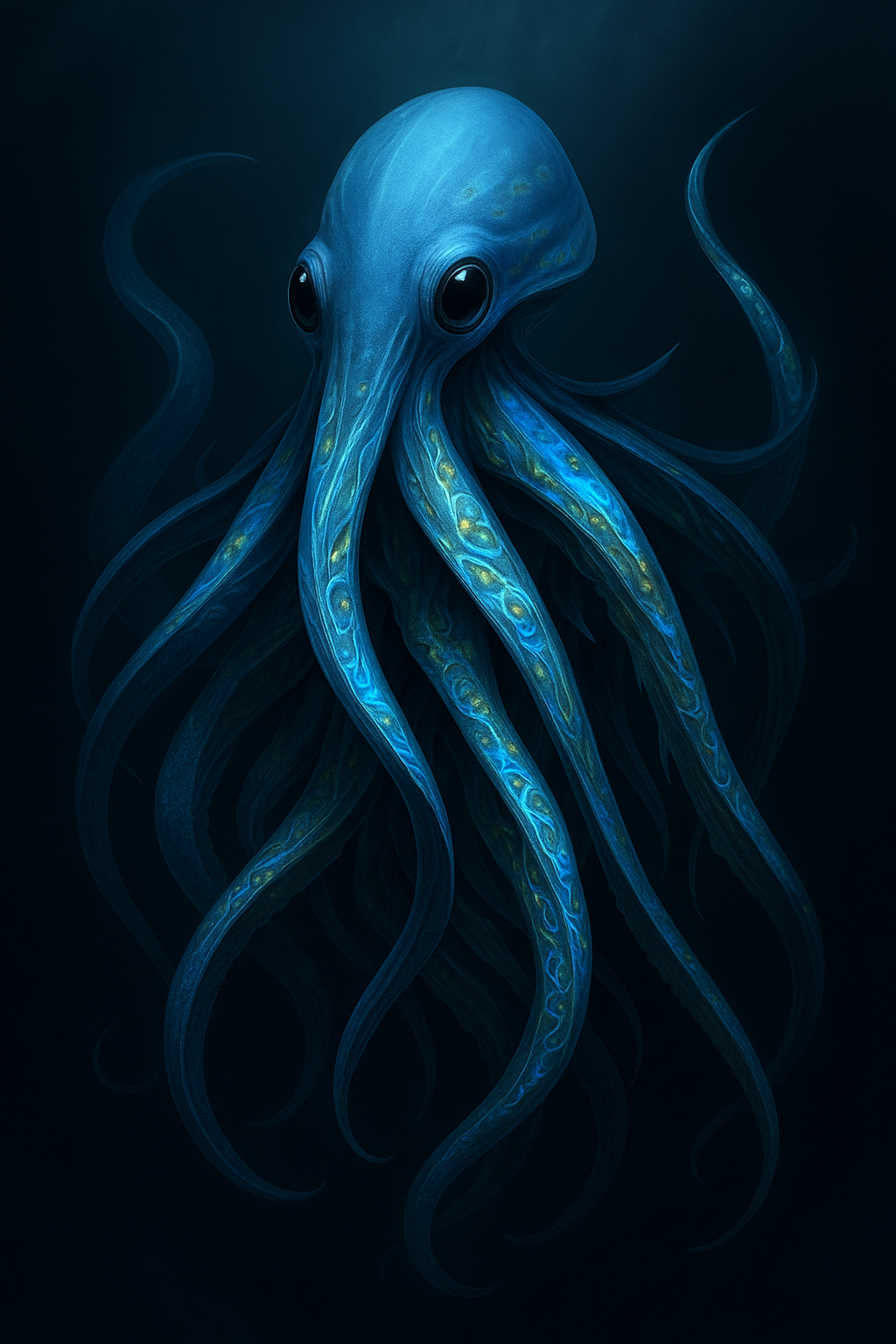
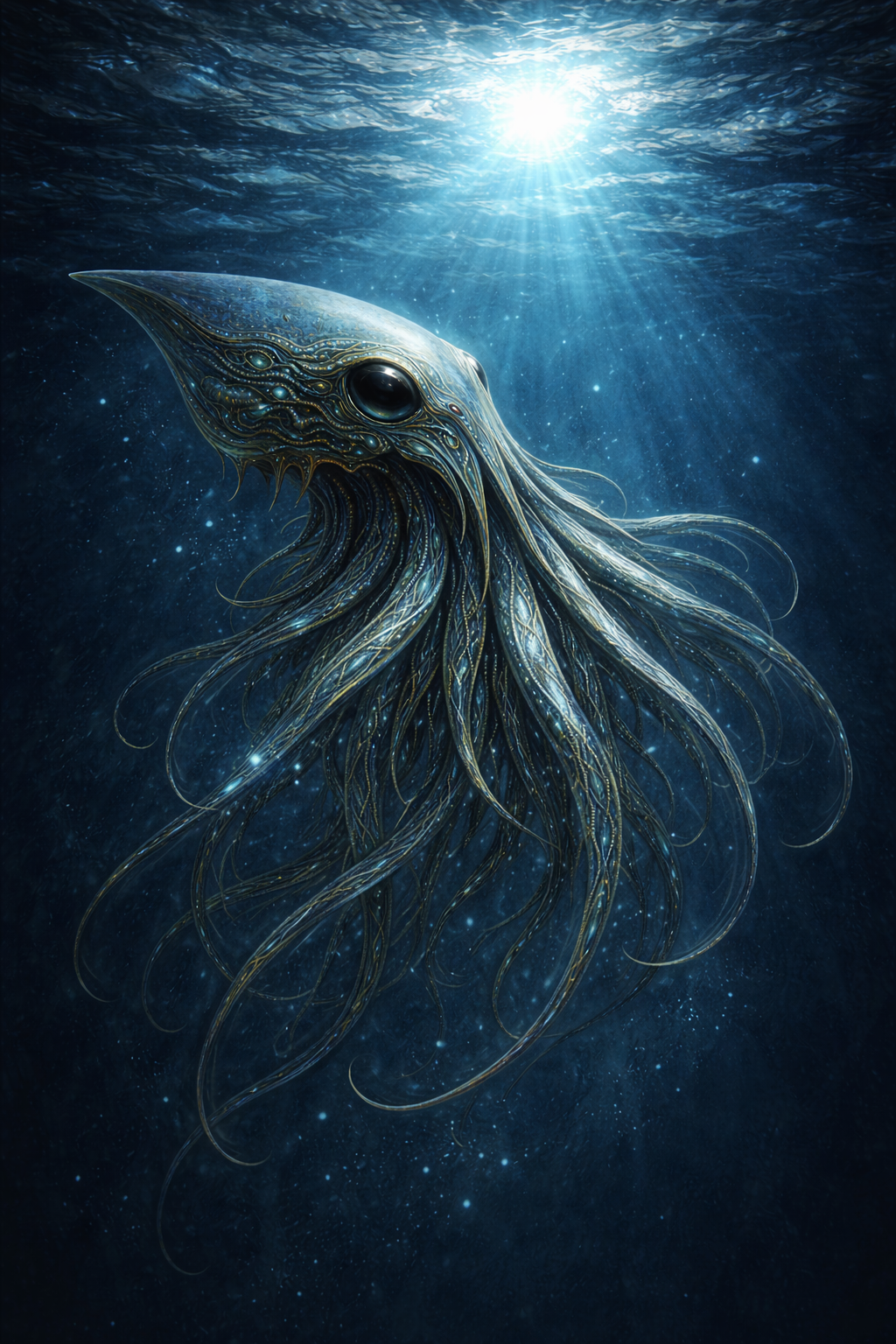
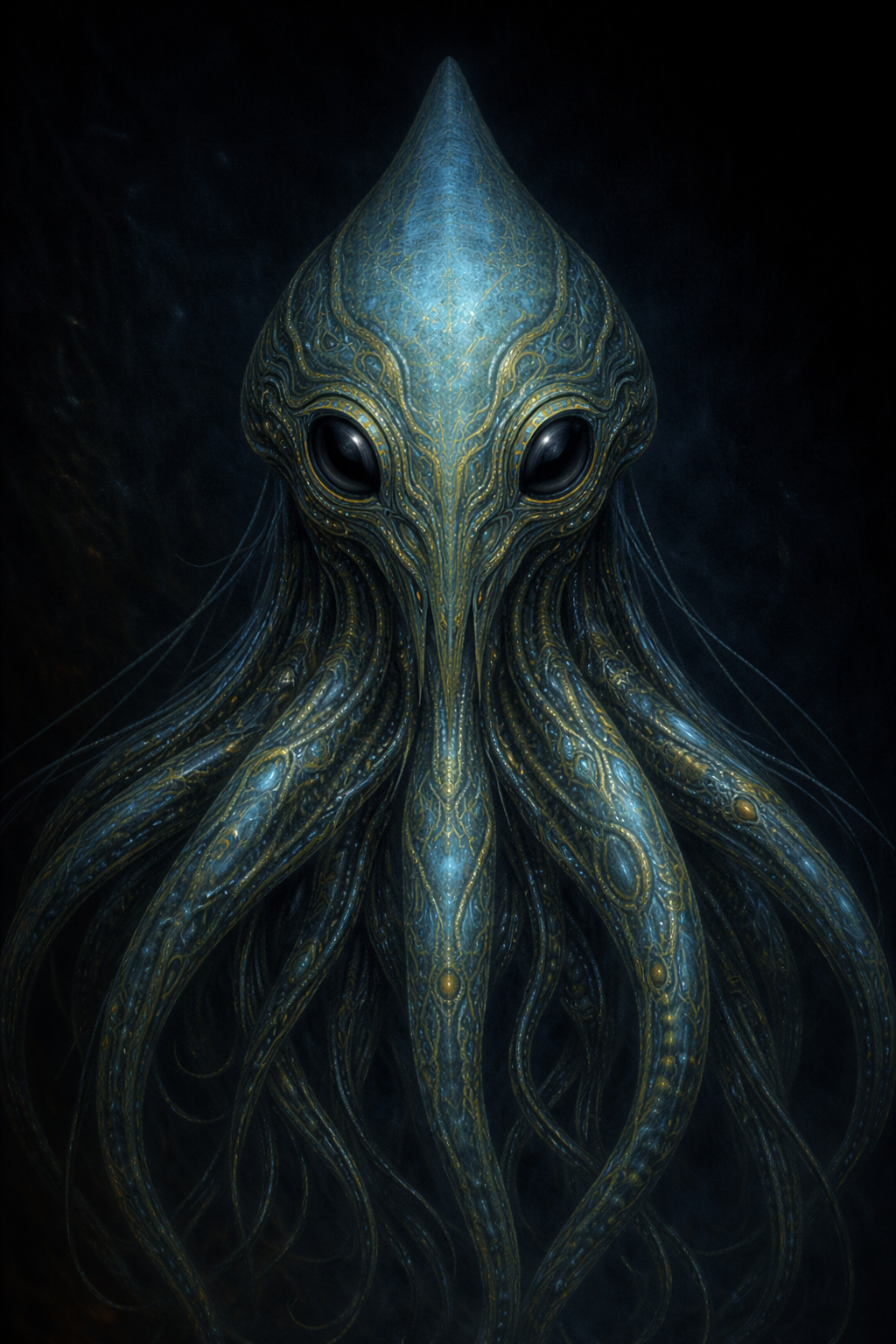
Cephlariin are bilaterally symmetrical mollusks (cephalopods) not dissimilar to squids or octopi. They have a pronounced head covered by a soft mantle, which varies in shape among different subspecies. Two eyes are present roughly on the front of the mantle, along with gills and vents which function similarly to noses (though exclusively in water). The mantle itself has a soft, central drum which covers a pair of ears.
At the base of the mantle a webbed hub hides a beaked mouth, separated by a thick ridge from nephridal orifices. They have two muscular, boneless limbs regarded as ‘legs’, as they are used to drag the cephlariin across surfaces, or are used in conjunction with arms to form a ‘post’ which provides a cephlariin with height and stability. Four boneless ‘arms’ extend from the same webbed torso, serving diverse roles, from grabbing, to manipulating tools, to providing thrust. Finally, an outer web of four tentacle trail in close proximity to each arm. Two of these end in clubbed protrusions, and the remainder in sensory bulbs which are primarily used to feel and taste things.
Cephlariin are omnivorous scavengers, relying on the partial decay of their food, as their beaks are soft and their digestive systems sensitive to rich foods. Like many lifeforms on Ceranis, they have a symbiotic relationship with bacteriophages, secreting a slime of these microorganisms onto their food and leaving it to rot before they eat it.
Cephlariin have highly-developed, partially-decentralised brains. While most of their cognitive systems are held in the region of their mantle, a significant portion of their reflexive memory and somatotopic-mapping exists within their arms, which can function independently of their central brain. This has allowed them to gain some distance from the idea that a body is a physical manifestation of the self, and allowed them to dwell on abstract processes even during labor activities, when their bodies take upon tasks with mechanical ease.
Capable of only soft, moaning vocalizations, Cephlariin have developed other ways to communicate outside of conventional language, focused mainly on written, sign, and body language. A more intimate touch-language developed, and while faster than sign it is learned more slowly, and only with trusted partners.
Cephlariin possess chromatophores which allow them to alter the shading of their bodies, ranging from bluish-black, to blue, to pale white. Their shading is central to their body language, allowing them to communicate with other cephlariin within visual range.
A cephlariin primarily moves by walking and swimming, though also has a siphon which allows it to create a pressurized jet of water. Siphons are primarily used for distance swimming.
Reproduction & Development
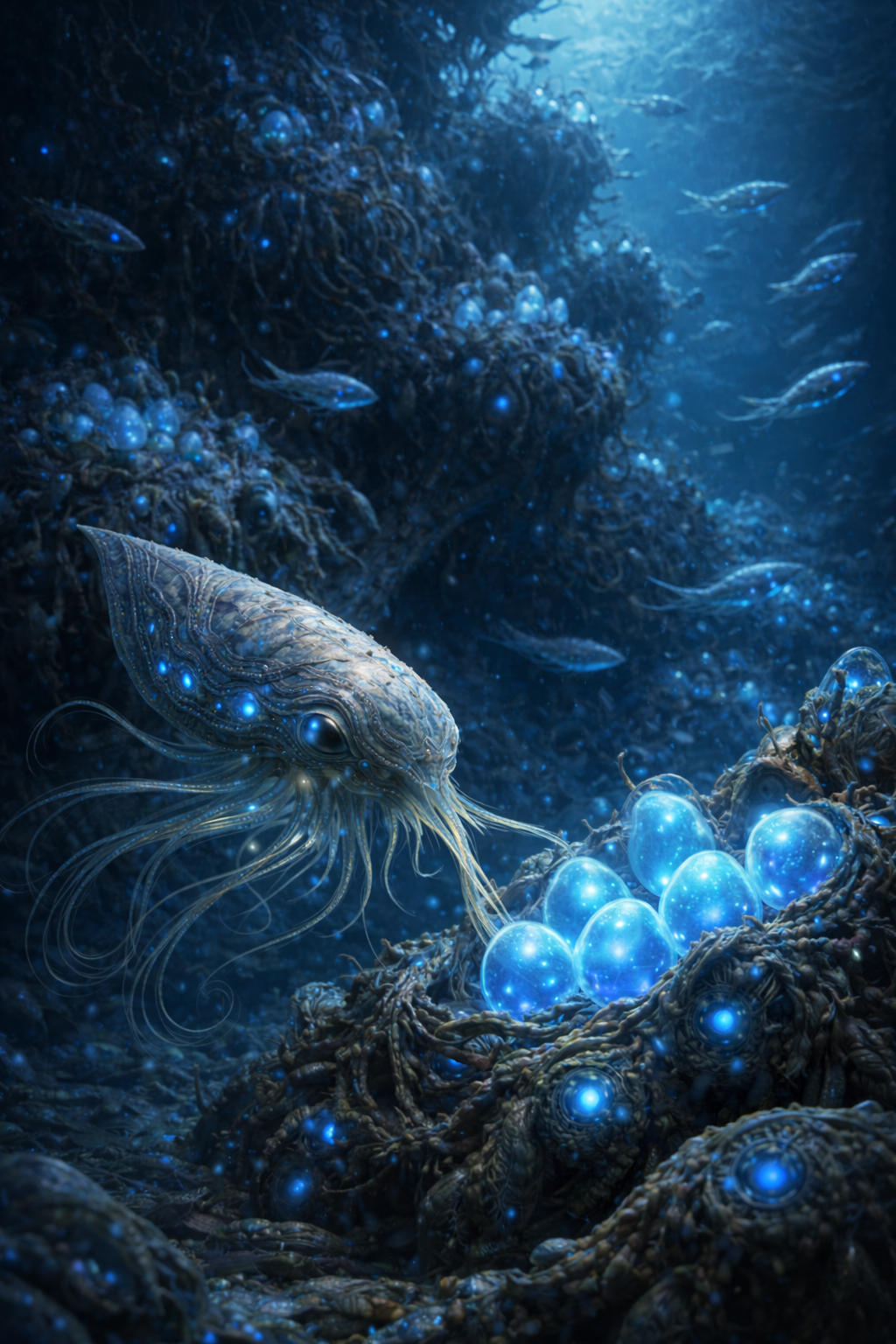
Cephlariin reproduce through spawning, laying eggs which, similar to flowers, benefit from cross-fertilization by minnow-like nautiloids called Caenet, a close cousin of the Cephlariin that share an evolutionary ancestor. This is a delicate process, reliant on a viable ecosystem and subject to frequent pretermination. While clutches of 6-12 eggs are laid at a time, only 1 or 2 eggs survive in natural conditions, and cephlariin would often die young, untended by their parents.
The Cephlariin developmental growth period lasts roughly 20 years. Clutches of Cephlariin eggs (Hydros) are laid in sheltered spaces called Creches, where they have some natural protection from predators and from the elements. Creches are identified by Caenet hives, shelled, barnacle-like protrusions where Caenets cluster in swarms. Caenets tend to Hydros over the course of their development, generally while Cephlariin parents leave the Creches to gather food. From the time that it is laid, a Hydros takes roughly a year to hatch.
Developed administration and government of Creches was a critical factor in the Cephlariin Agricultural Revolution. Increased efforts to provide food and defenses for the creches translated to lower infant mortality rates, and a population explosion. Creches became more expansive, as did the inhabiting Caenet populations.
After hatching, the parent-bond a cephlariin feels for its child diminishes, and many parents simply leave the creche to attend to their own needs, with newer parents continuing to provide food for the Cephlariin young and the Caenets. Cephlariin hatchlings remain in creche for roughly 5 years before they begin to take short excursions into the surrounding reefs, feeling the increasing impulse to explore and scavenge.

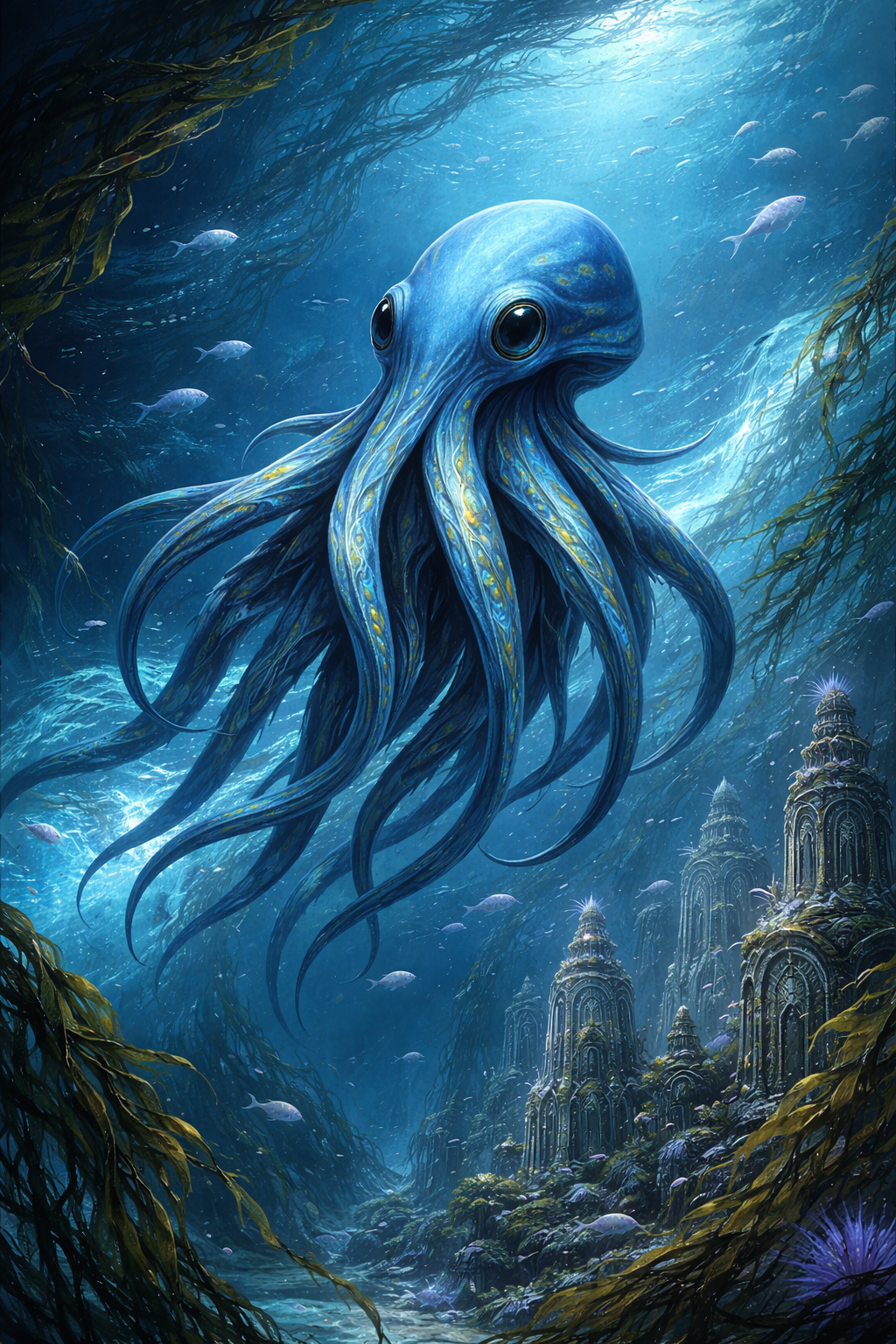
The civilization process recognized the need for hatchlings to explore near creches, and so rather than attempting to prohibit or contain their young they shaped the surrounding areas into shoals, where cephlariin hatchlings are introduced to a reasonably safe environment rich with learning materials and, in the Cephlariin theatrical fashion, staged encounters with cultural actors whose role is to impart moral lessons.
By 10, Cephlariin young leave creche. At this stage they are 1/3rd the size of adult cephlariin, and at a dangerous period when it comes to their personal safety and health. In totally natural conditions, they embark on Reydaras, their first migration, riding currents away from their creche into new territories, relying on cleverness and guile to overcome predators and hazards. Few survived this journey to adulthood.
As civilization spread, young Cephlariin were provided with a more structured Reydaras overseen by the House of their lineage or by the nomadic Oramu, to which they were effectively apprenticed.
Cephlariin reach Nascence at 15 years, at roughly ½ adult size, and Maturity at 20, after which they stop growing. The Nascence phase is accompanied by significant neurological development, in which impulses and emotions slowly dampen to the point where they cease to be a primary decision-making method.
Neurological development continues until 30 years of age, after which many basic aspects of personality and habit cement into rigid behavioral patterns.
Variance
Genetic variance in cephlariin is quite large, brought about by the particular nature of their reproductive cycle. Egg-laying parents migrated widely, but caenet populations remained local, resulting in distinct genetic ‘families’ born within a creche.
Mantle:
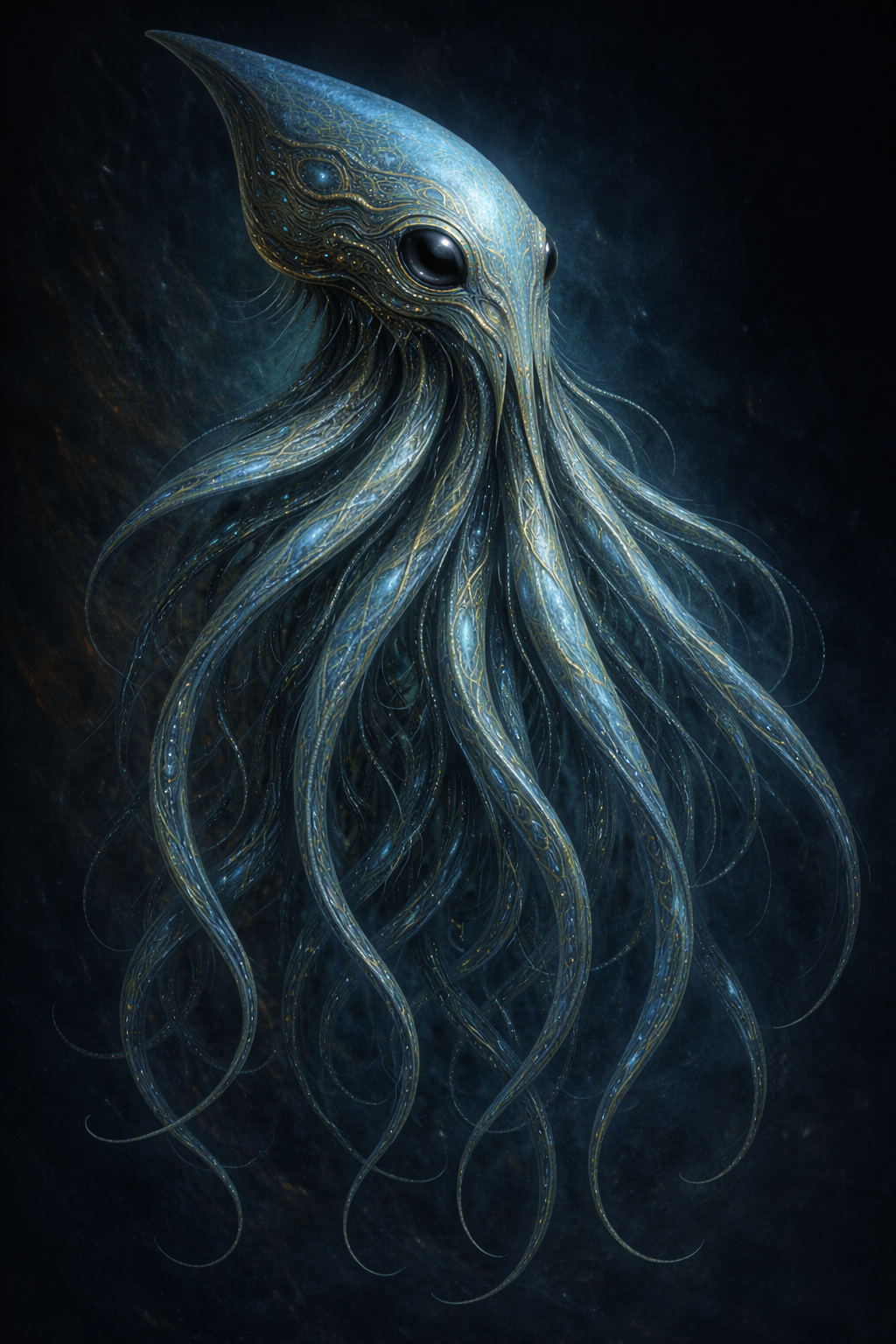
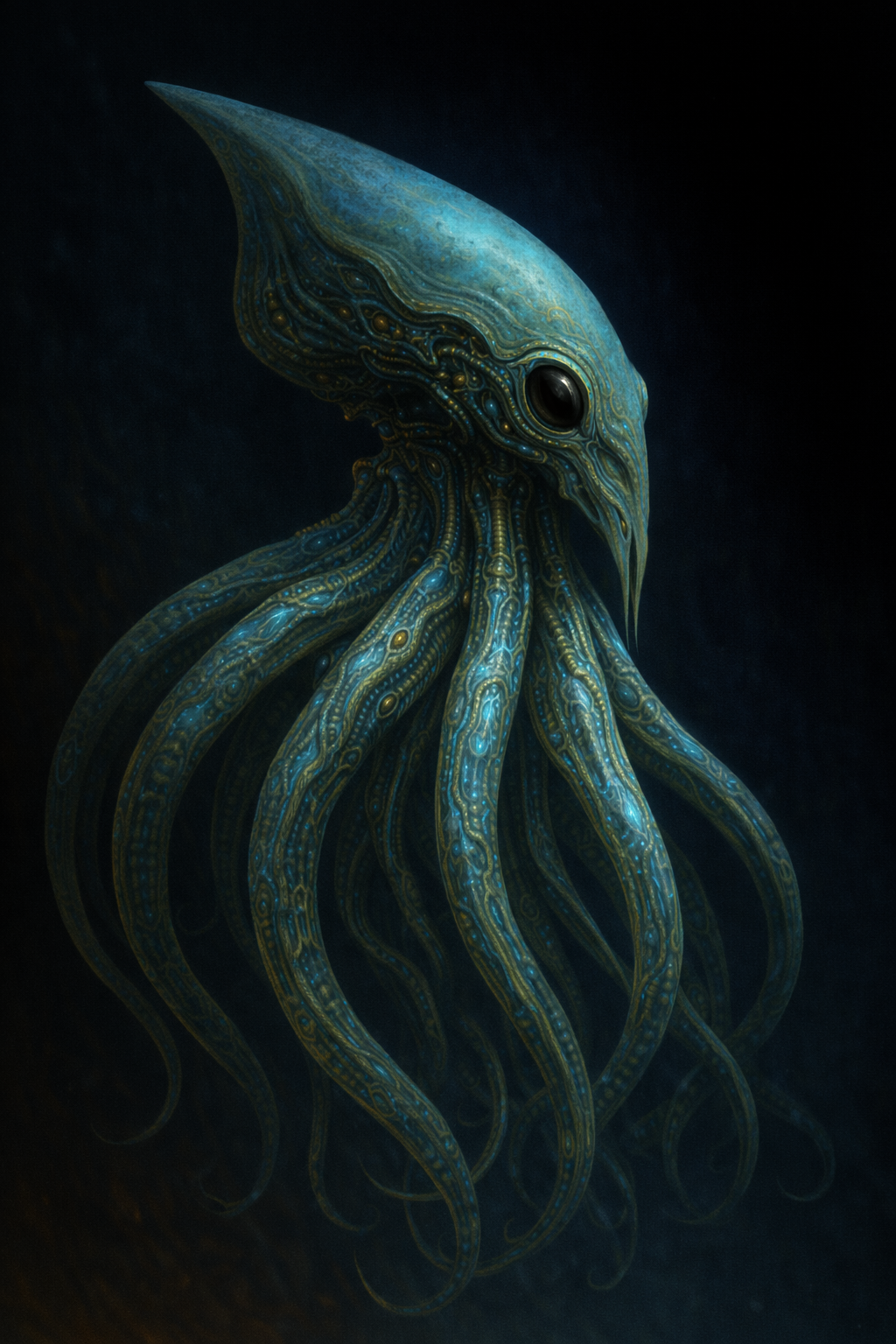
Mantles can vary in size and shape, from a basic ‘rounded’ appearance, to ‘frilled’. Notable variance in skull shape can result in pointed, oblong heads.
The flesh of the mantle can form a ‘hood’ or ‘cowl’ in some subspecies, in what are known as ‘aft-frills’. ‘fore-frills’ are less common, often resembling strings of tissue attached to the base of the head.
Arms:
Thickness and length are factors often related to epigenetic expression, and can vary.
Trunk:
The trunk or ‘neck’ of cephlariin can be notable, or practically absent. In some subspecies, arms appear to flow smoothly from the head as an extension of it. A forearm flowing from the front of the skull is a common feature in roughly 60% of the cephlariin population. In others, there is a noted rim or ‘chin’ which separates the head from the hub.
Bioluminescence:
Bioluminescence is present in subspecies, controllable as an element of chromatophore expressiveness. It is considered to be quite rare.
Behaviour
Cephlariin differ widely in their behaviour, though all can be said to stem from common cornerstone behaviours shared by the species.
Solitary Instinct
Cephlariin are not precisely territorial, but are motivated from a young age to find comfort when hiding, and so much of their passive action when in familiar surroundings is structured around blending, or melding behaviours that avoid animals and other cephlariin.
In communal settings, this has resulted in Dreyien’ath, or ‘Inward Sight’, a mindfulness meditation physically characterized by sitting in a ‘post’ stance, blending into a crowd by ignoring it and avoiding communication during periods of intense thought.
Dreyien’ath is commonly recognized among the Cephlariin, and social mores dictate that Cephlariin in Dreyien’ath are not disturbed until they willingly emerge from their meditation.
Instinctive Curiosity
Cephlariin are driven to novelty and newness. Accompanying their more passive blending instinct is a sense of incompleteness or inaccuracy, a feeling that even when hiding, there are flaws in the disguise.
This is accompanied by perseveration over intelligence recognition, a desire to explore incompleteness to learn the locations of Cephlariin and other intelligences that could potentially be threats or offer opportunities.
This makes the Cephlariin perseverate over puzzles or confusing information.
Symbiotic Drives
The Cephlariin reproductive drive is highly dependent on environmental factors, closely facilitated by pheromones released by healthy Caenet populations. Without Caenets nearby, their drive goes dormant.
Socially this has led to problems with low fertility rate, and a concerted effort on behalf of civic and cultural designers to create Caenet gardens and creches, as well as making reproductive contributions a contractual element of House culture.
Evolution
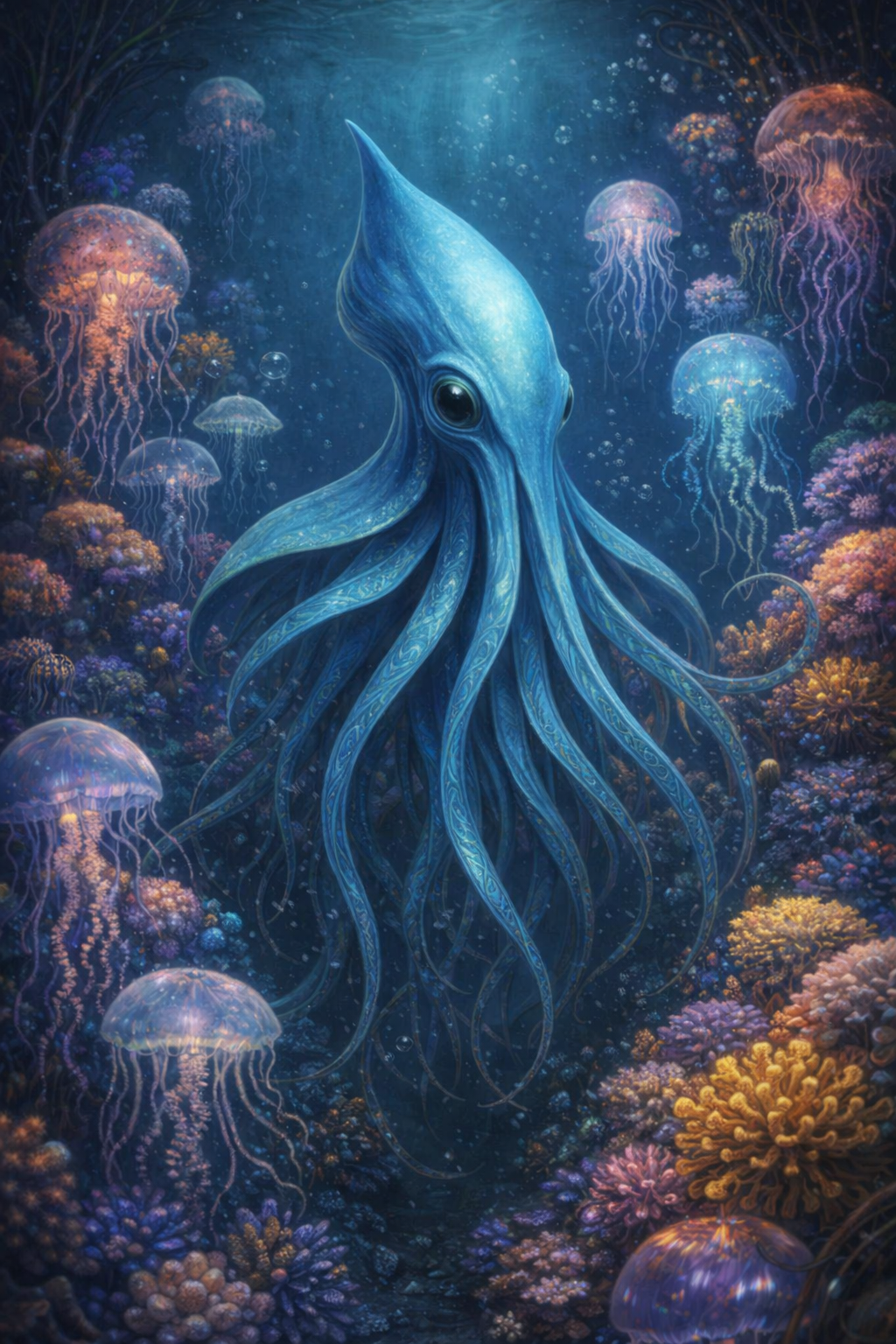
Like the majority of complex species in the Galaxy, the Cephlariin evolved over the course of millions of years. Life originated in Ceranis’ oceans, where flora and fauna developed gradually from the diverse mass of single and multicellular bacteria. A branch of the phylogenic tree began to focus on cephalopodic features, developing into variations as wide as the caenet, cephlariin, and gager.
While originating in the coral reefs of Moiar, the breadth of the cephlariin’s evolutionary domain is naturally wider. It would be fairer to say that the coral ecosystem of Ceranis developed in tandem with the cephlariin, who were often essential to the spread and cultivation of coral biomes in fringe territories where biodiversity was poorer in aspect.
Much of cephlariin evolution hinges on the reality that they were, for most of prehistory, not in the least considerable as the apex of the food chain, and were poor hunters even using optimal group tactics. The more habitable and fertile their own ecological niche became, the more it drew in predators, and forced them into hiding or escaping to other niches. Hiding, escaping, and migrating became ingrained instincts, fuel to the development of their abstract intelligence.
Ceranis and the cephlariin developed naturally, but Ceranis was not untouched by alien visitors over the millions of years of its history. During the galactic Third Era, the planet was a fringe-territory of The Krey Imperium, visited by Krey and cultivated as a technological incubator.
During the Cephlariin Stone Age Krey attempted to implant cultural ideas that would incline the cephlariin to view the Krey as gods, with the intention of continuing to observe and stealing cephlariin technologies. With the arrival of the Kreyan Flu this plan ultimately failed, though some signs of Kreyan influence still exist in early Cephlariin art.
The late evolutionary period, while on a much smaller timescale, fixated on the idea of beneficent eugenics. Some Houses focused on the idea of husbandry as a means of creating aristocratic lineages of heightened intelligence, while others aimed more generally to improve disease resistance and health. Creches, due to their centralized management, lent themselves to these projects, though the short timescale in which artificial selection took place meant there was only limited success before gene manipulation technologies took over from sexual selection.